









The State Fair of West Virginia celebrates 100 years.
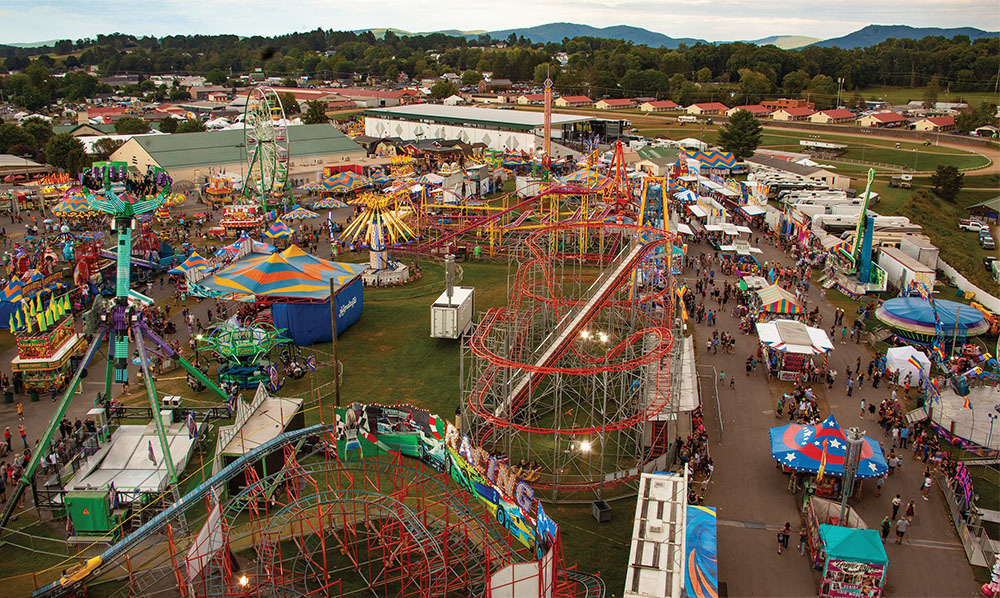
photographed by Carla Witt Ford

The State Fair of West Virginia has certainly mastered the secret formula to success. This August, the fair will celebrate its 100th year of operation. Offering 10 days of family-friendly fun, the annual state fair has something for everyone: concerts, live entertainment, carnival rides, fair foods, livestock shows, and so much more. “It’s quite the accomplishment to make it over 100 years for any business,” says Kelly Collins, chief executive officer of The State Fair of West Virginia. “We started out as a community event, and we remain a community event. We wouldn’t still be here without the folks who have kept us in business.”
While this year marks the 100th celebration, the actual anniversary of the fair is a few years prior to a century ago. Ongoing since 1921, the State Fair has been canceled five times in its history due to extenuating circumstances—four times during World War II and once during the COVID-19 pandemic. Thanks to the fair’s leadership team and community support, the tradition has returned after each closure with its central vision still intact. “Our mission has always been around agriculture and community,” Collins says, “and that’s still true today.”
Humble Beginnings
The first iteration of the fair was hosted in 1854 by the Greenbrier Agricultural Society, welcoming livestock and produce entries to Lewisburg. Following the Agricultural Society’s event, the Greenbrier Valley Industrial Exposition was held from 1883 to 1889 in Alderson, featuring displays of technology in addition to agriculture. The Industrial Exposition years hosted flat racing, harness racing, wheelbarrow races, potato races, and greased-pole climbing.
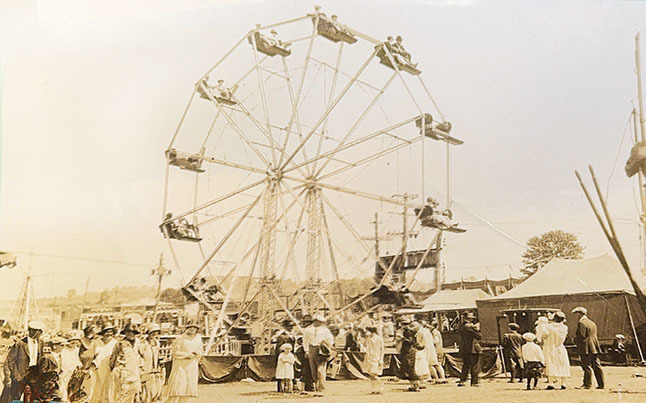
Historical records show that no county fairs were hosted in the early 1900s, but neighbors continued to host smaller-scale community gatherings to display their goods. A successful run of the Shorthorn Association Show garnered interest to once again have an annual countywide fair, and on March 19, 1921, a group of locals chartered the annual Greenbrier Valley Fair. Land was purchased on the outskirts of Lewisburg and Ronceverte for the fairgrounds. As the community between the two towns grew, a post office was established, and the physical location of today’s fairgrounds was given a name of its own: Fairlea.
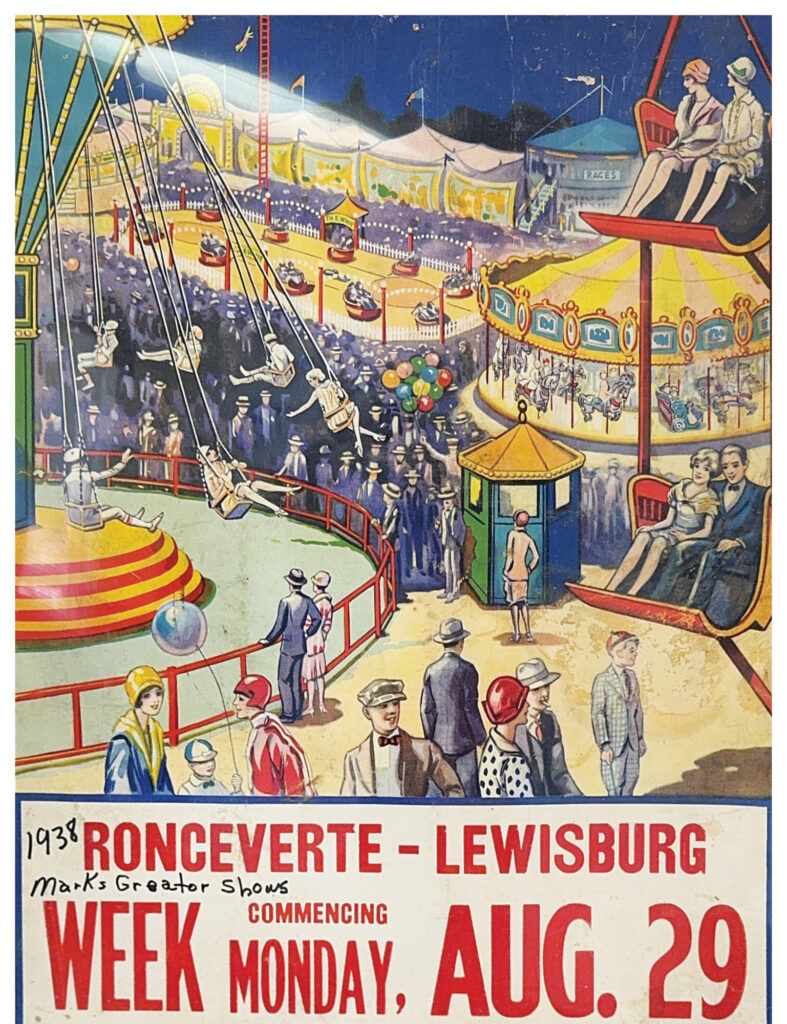
The Greenbrier Valley Fair initially consisted of five days filled with events, concerts, carnival rides, and fun for all ages. In April 1921, teams of horses graded the one-half mile racetrack that is still used today. Just a few years later, stables, cattle barns, an exhibit building, a grandstand, and a stage were constructed. Young boys and girls represented their agricultural clubs throughout the state by competing in livestock showings and contests. After two decades of continued growth and success, the state Legislature saw the Greenbrier Valley Fair’s potential and passed an act designating it as The State Fair of West Virginia.

Some Things Change …
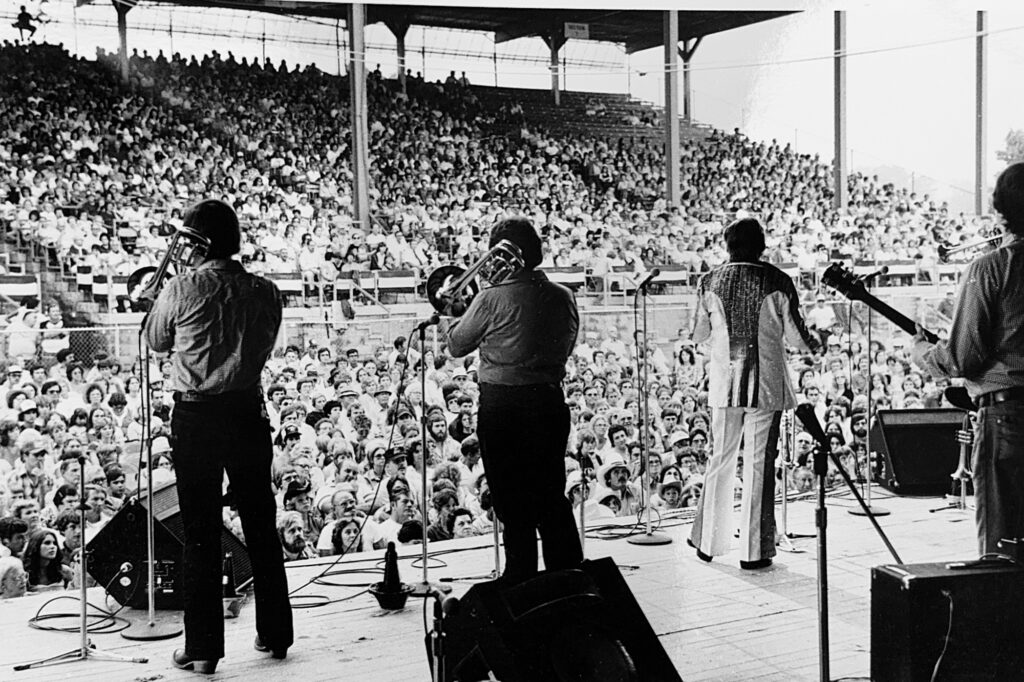
Several years after the State Fair reopened following World War II, the fairgrounds expanded with the purchase of additional property and the construction of a sheep pavilion and a new rabbit house. In the 1960s, a new grandstand with more than 6,000 seats was constructed to allow top entertainers to attract larger crowd sizes. “The concerts stepped up to the next level, hosting nationally known artists, right here in Lewisburg,” Collins says. “The new grandstand really set the stage for the concert series. We’ve had big names, from Garth Brooks and Dolly Parton to Lainey Wilson and Zach Bryan.”
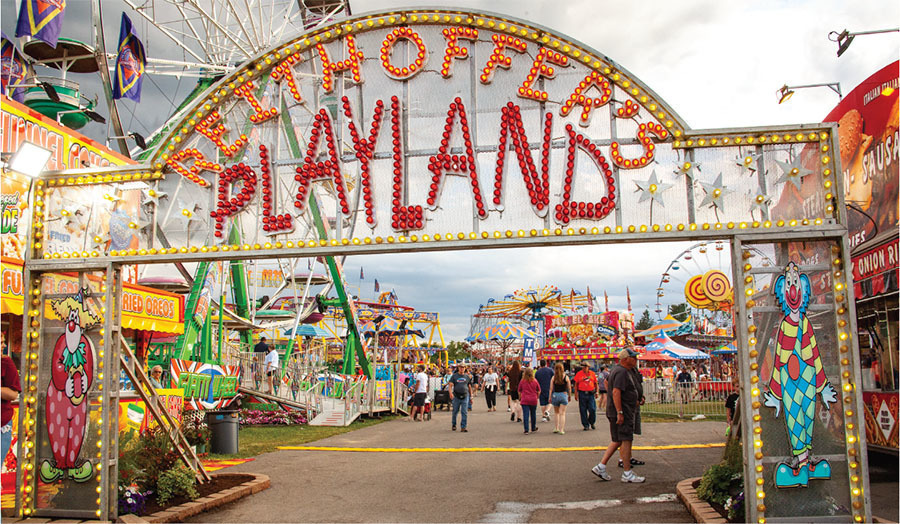
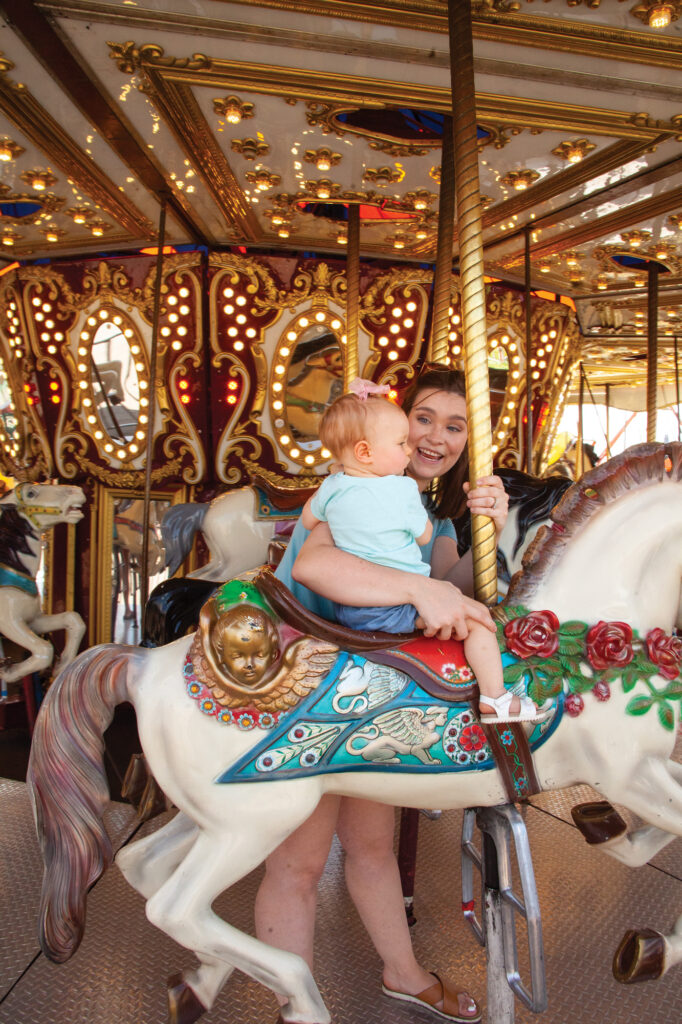
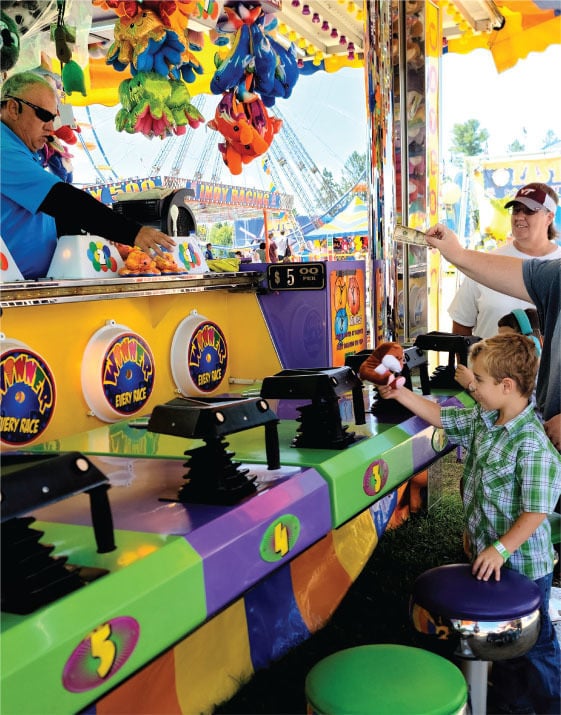
Additional buildings and barns were erected over the years, but the next major change was the tunnel connecting the parking lot to the fairgrounds. “That was a huge benefit to the facility, not having to walk up a steep bridge and fight traffic,” Collins says. That upgrade came in 2015, which was also Collins’ first year as CEO. “I know I’m biased, but I think we have one of the prettiest entrances in the country.”
While Collins didn’t experience it herself as a lifelong fairgoer, she says her parents and grandparents talked about how muddy the fairgrounds once were. Thanks to extra paving efforts, those days are long gone. As she researched the history of the fair and the changes throughout the years, another major difference she noticed from photographs is the attire of attendees. “People used to wear three-piece wool suits and dresses,” she says. “They were in their Sunday best. With the hot August weather, plus rain, I can’t imagine wearing wool to the state fair.” Today, the dress is summer casual to stay cool and comfortable as folks ride carnival rides and walk through the fairgrounds. Collins does recommend closed-toe shoes for the fair, especially if you plan to visit the animal exhibits and barns.
… and Some Things Stay the Same
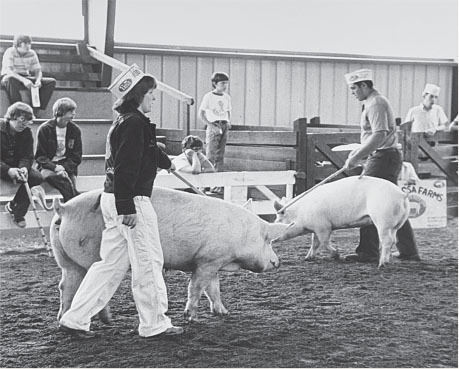
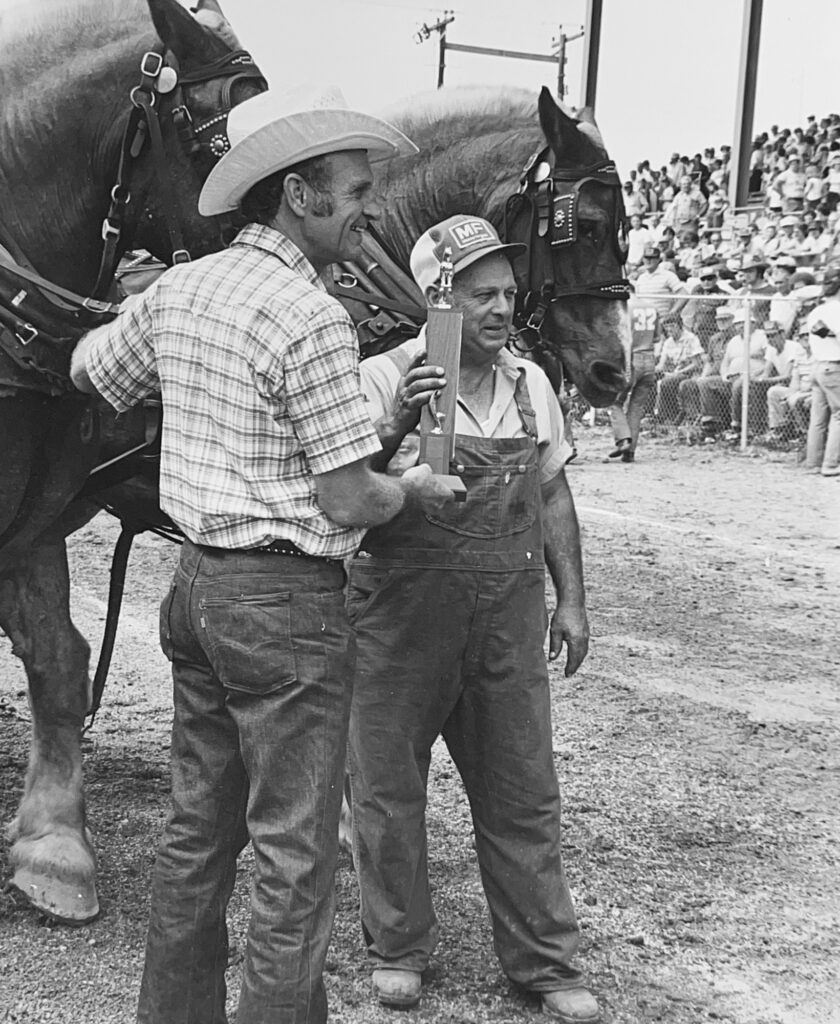
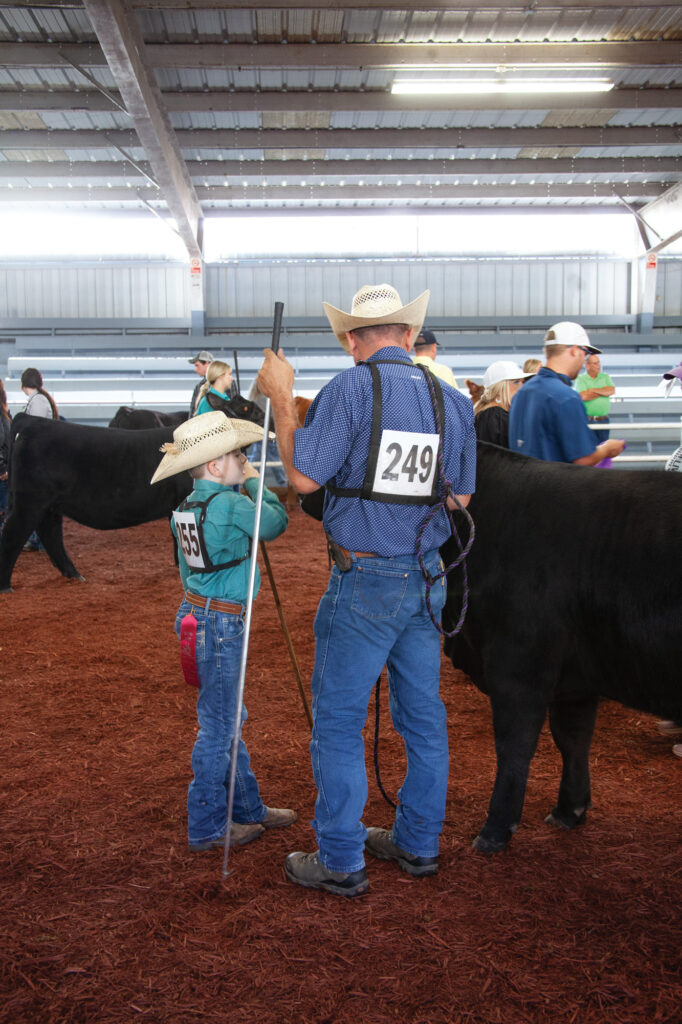
For years, livestock exhibitors from all over the East Coast have attended The State Fair of West Virginia. Pigs, goats, sheep, cattle, dairy cattle—agriculture has always been a major component of the fair. Providing education about the latest farming techniques, equipment, and technology has also been a long-standing tradition.
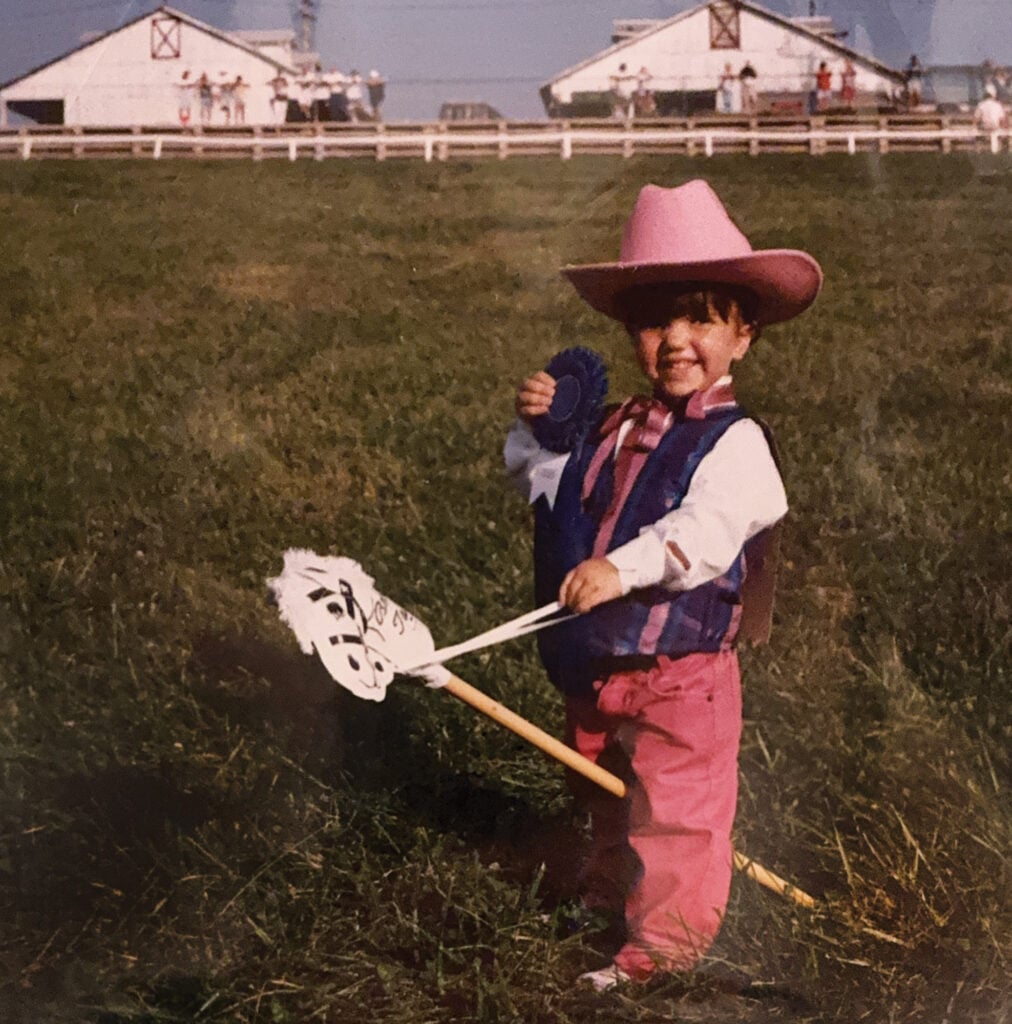
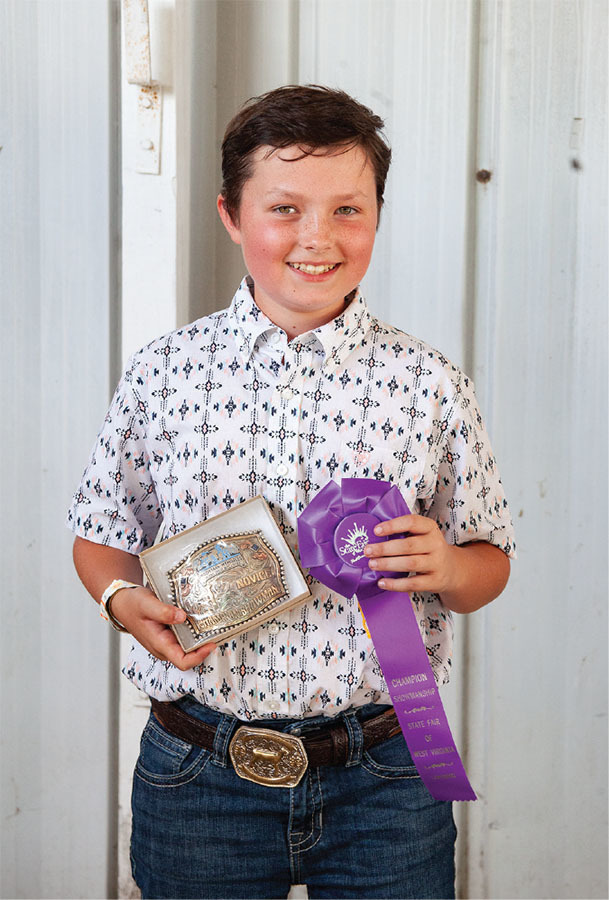
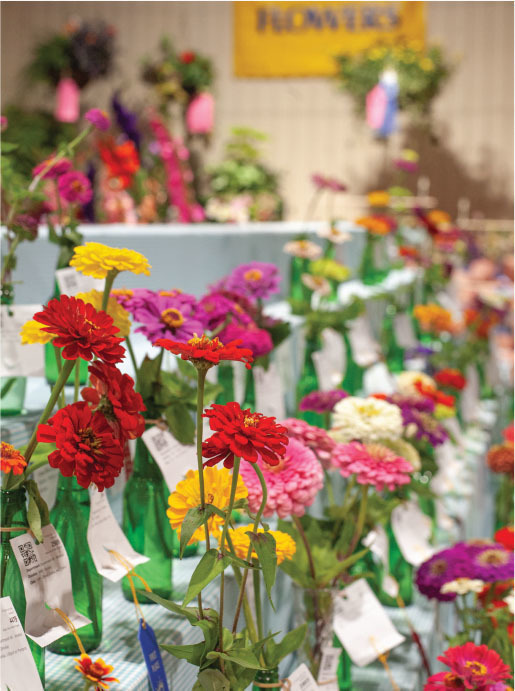
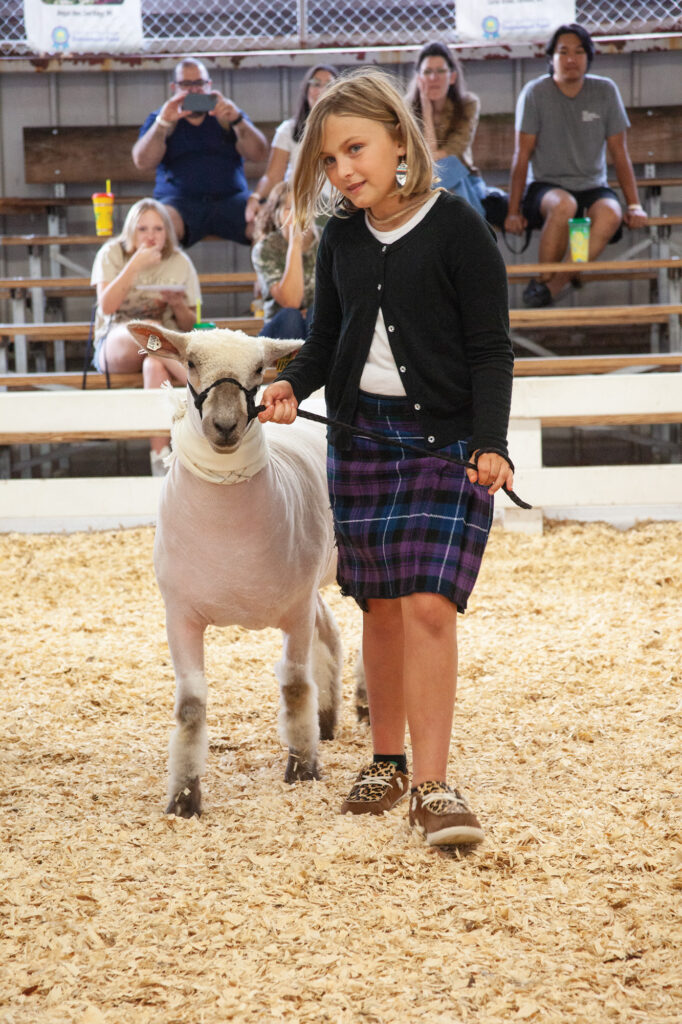
Many of the exhibits are hosted by area youth involved in 4-H and Future Farmers of America. These kids have fed and worked with the animals throughout the year to bring them to market at the youth livestock auction. “That’s an important lesson, especially as you look at the population growth and the amount of food we need to produce,” Collins says. “The fair has always supported youth involvement, even outside of livestock.” Youngsters can also showcase their sewing, cooking, and gardening projects in the Cecil Underwood Building.
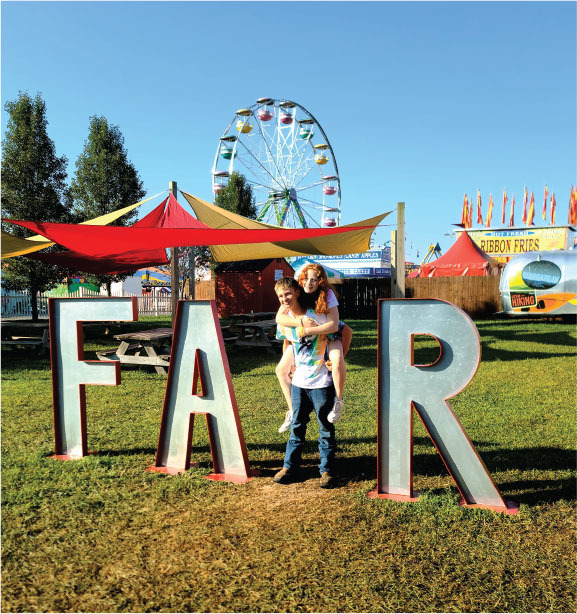
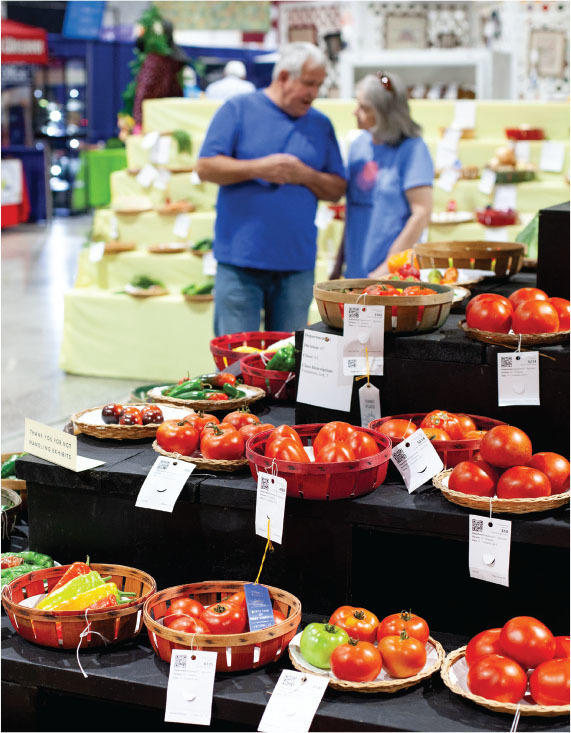
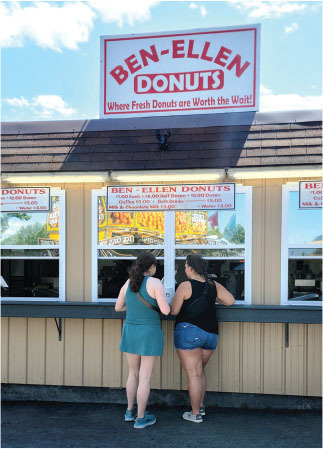
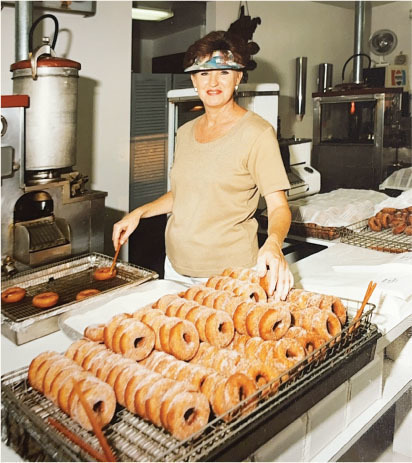
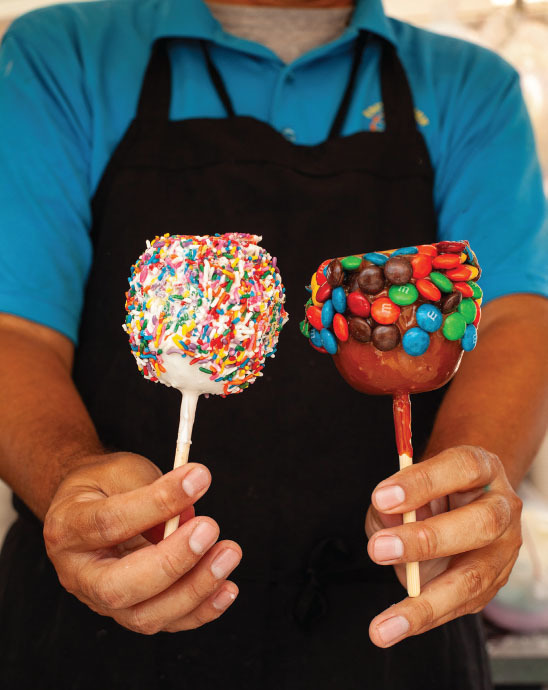
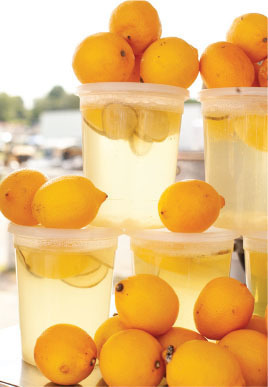
Even from the earliest versions of the fair, enjoying a meal together has been one of the most memorable experiences for families. The 1896 Exhibitors’ Guide noted that everything would be closed from 12:30 to 1 p.m. for families to relax and picnic together before continuing their festivities. In operation for more than 50 years, Trudy’s Ice Cream is a fan favorite that has withstood the test of time. The ice creamery started as a food trailer and is now housed in a permanent structure on the fairgrounds. A meal at the Greenbrier East FFA Ham Stand is another tradition for many folks, Collins says. Specializing in all things pork, the Ham Stand gives students the opportunity to operate the business during the fair. They handle the cooking, cleaning, and sales, and the profits serve as a fundraiser for the students to attend their conventions. “Food is very important to the fair,” Collins says. “Every time we do a survey, it’s the No. 1 reason for coming to the fair, followed closely by tradition.”


No matter what changes throughout the years, the mission of the State Fair will remain the same: “Honoring our heritage through programs that promote the traditions of agriculture, education, and family entertainment.” Collins encourages everyone to check out the 100th anniversary guide for this year’s fair as well as ticket specials and food vendor offerings. This year’s fair will also have a drone show for the first time ever.
“The fair brings so much joy to people in the state and beyond,” Collins says. “We consider it the unofficial end to summer, and I’ve always considered it the 10 best days of the summer. I’m really proud of the fact you can walk around the fairgrounds and see multiple generations of families enjoying the fair together.”
Lewisburg, statefairofwv.com, @statefairofwv on FB
READ MORE ARTICLES FROM WV LIVING’S SUMMER 2025 ISSUE







Leave a Reply