









Oakland isn’t just a stop along the way. It’s a destination—and it’s almost in West Virginia.
I’ve been driving through Oakland, Maryland, my entire life, always on the way to Tucker or Pendleton County. I usually said, “I’ve gotta check this place out.” Oakland was always the town on my list of places to visit, “when I had some time.” Well, I finally made some time, and I wish I’d done it a long time ago.
Oakland lies south of Deep Creek Lake, the recreational center of Garrett County. It’s a busy place. Likewise, plenty of visitors enjoy Swallow Falls and Herrington Manor state parks, and skiers love Wisp Resort. The upper Youghiogheny River and its intense class III–V rapids flow north from the lake, while across the West Virginia border, quiet but majestic Cathedral State Park is home to some of West Virginia’s last old growth hemlocks.
But the town deserves its own spotlight. After all, it’s got quite a history. The region was originally home to or traveled by various Indigenous peoples—including the Iroquois, Shawnee, and Lenape—and later became a small settlement known as Yough Glades. It was a place where trails met, so travelers did, too. The first post office was established in 1812, and in 1849, surveyor Edward McCarty supposedly named the town Oakland, in reference to the abundant nearby trees.
When the Baltimore & Ohio Railroad arrived in 1851, everything changed, and the village turned into a transportation and commercial hub. Vast quantities of timber and coal shipped out. Commerce popped up, and businesses and hotels appeared. Oakland came alive. It was the center of the lumber, farming, and coal industries in the region, and wealthy Eastern families seeking refuge from the lowland heat built luxurious homes in the cool mountain climate.
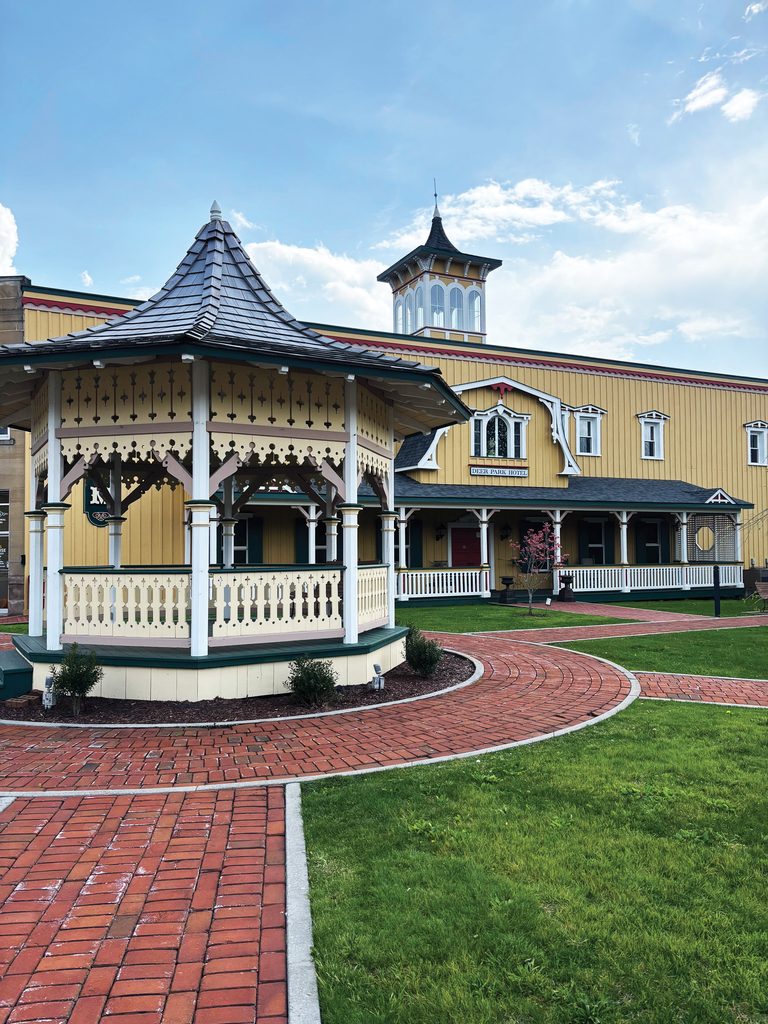
The B&O Railroad constructed opulent hotels, like the Oakland and Deer Park hotels. But just as the trains had come, so too did the automobile. Passenger rail travel declined, the hotels emptied out, and they were later demolished. Lumber and coal eventually declined as well, and economic growth in Oakland slowed.
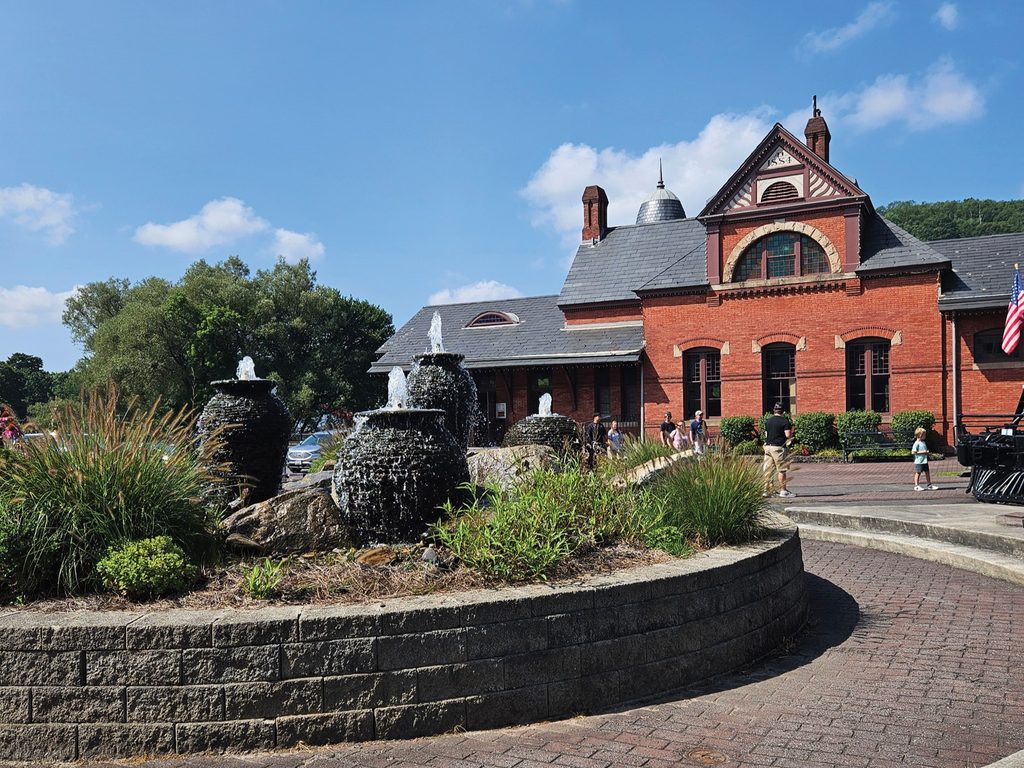
So the town had to reinvent itself, coming full circle and leaning into its historic past. Today, Oakland highlights the Oakland Historic District and the restored 1884 B&O Railroad Station. Guests can poke around in the museum, experience the feel of a bygone era, and watch modern freight trains pass. Outside, they can wander past preserved Victorian storefronts, homes, and churches.
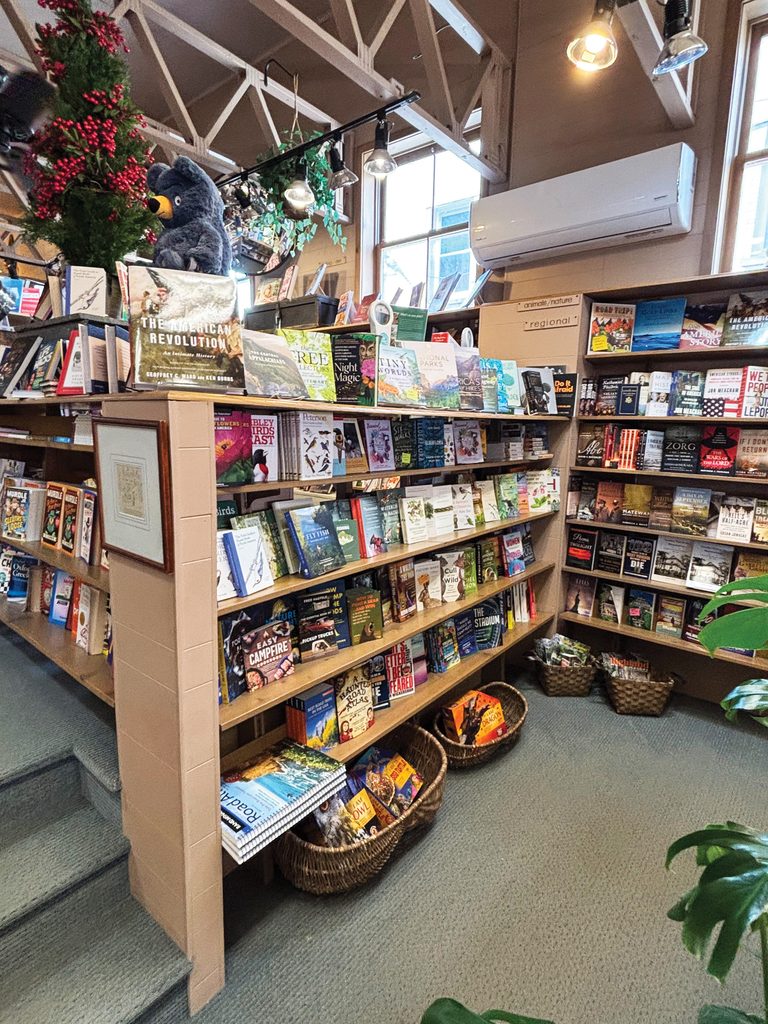
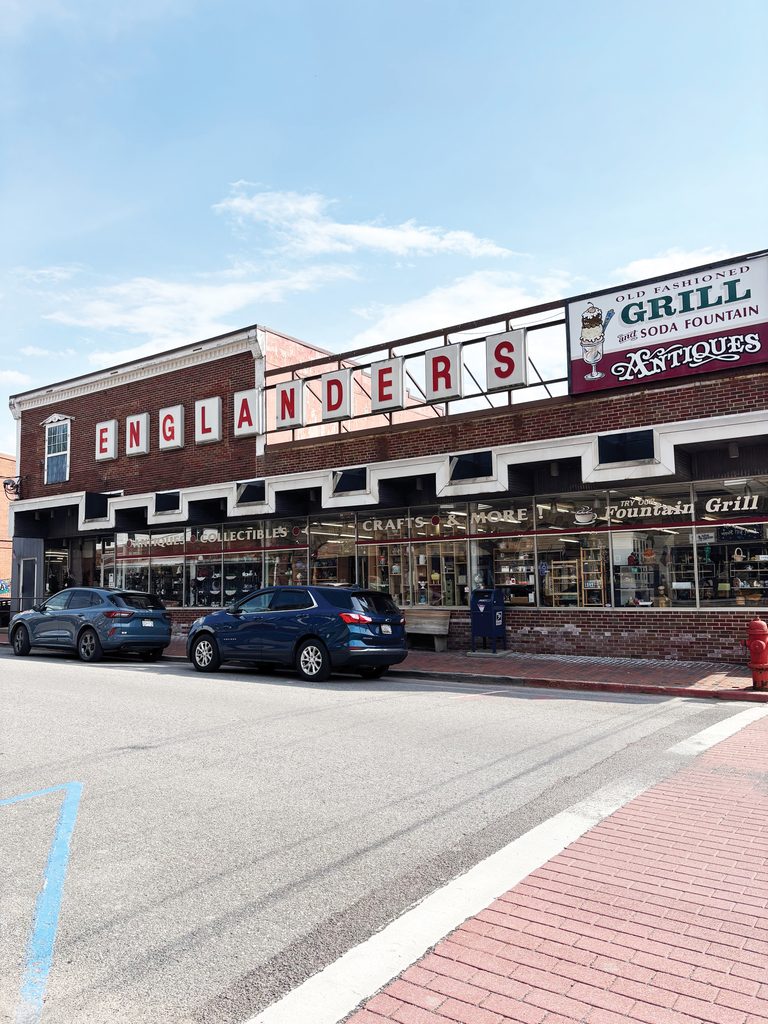
I love a walkable town, and this is a historic little grid made for poking and puttering. Book Mark’et & Antique Mezzanine is a book lover’s dream, and Englander’s Antiques–Grill and Soda Fountain is the convergence of three of life’s greatest joys—antiques, soda fountains, and buckwheat pancakes. 206 Alder Bistro & Bar is a self-proclaimed gateway to locally sourced food, trendy cocktails, and sourdough brownies. There’s also Heidi’s Bakery & Cafe, where baked goods make every breakfast and lunch that much sweeter.
Haley Farm & Retreat Center is a great place to land. This bed and breakfast is halfway between town and the lake. You can get a spa treatment, soak in an in-room Jacuzzi, and explore the grounds. And the breakfast fare will knock you off your feet.
I should have paid Oakland a proper visit years ago. West Virginia, we need to get out there and see the world—even if those places are just a few miles away. How lucky for us that Oakland is.
Oakland, Maryland, is located in Garrett County, along U.S. Route 219. Visit oaklandmd.gov to plan your stay.
READ MORE STORIES FROM OUR FALL 2026 ISSUE








Leave a Reply