









These West Virginia sites have origins before the Revolutionary War.
written by ADDISON PARKINS
AS AMERICA CELEBRATES 250 YEARS, it’s important to consider where its roots lie. The nation’s story began long before 1776, when frontier settlements and conflicts across the Appalachian Mountains dictated what was to come. West Virginia offers several glimpses into the nation’s early development through buildings and structures that still stand today, telling the story of how conflict and settlement helped form a nation.
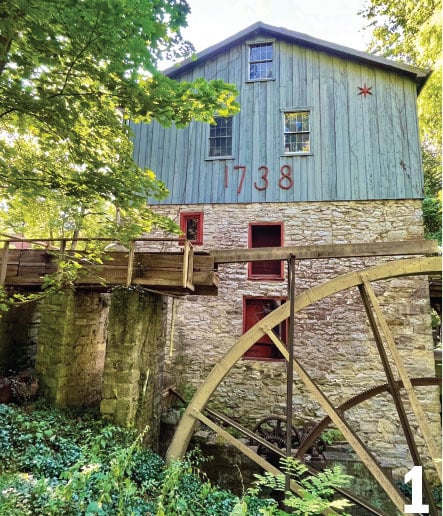
1. Shepherd’s Mill, Jefferson County
Built before 1739 by Thomas Shepherd, Shepherd’s Mill served as an agricultural cornerstone for many years, supporting the development of local farmland and providing milling services to Shepherdstown’s wheat farmers. Although it’s now a private residence, the mill may be viewed from a public access point, and history buffs can sometimes catch an event at the site.

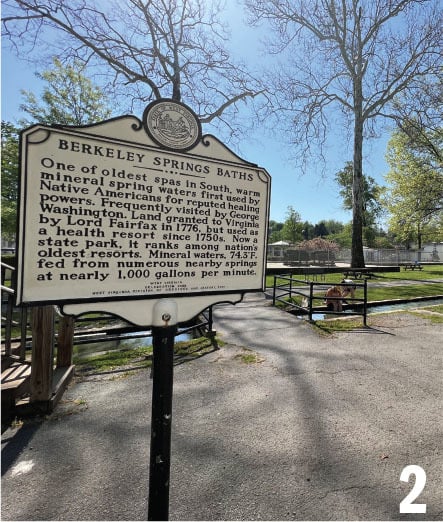
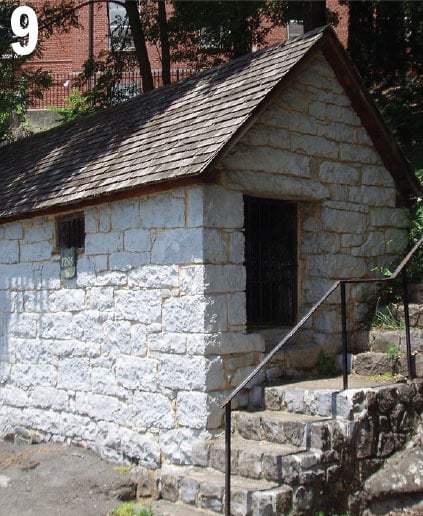
2. George Washington’s Bathtub, Morgan County
Long before luxury spas became a travel trend, visitors sought out the warm mineral springs at Bath, now familiarly known as Berkeley Springs. The stone pool we call George Washington’s Bathtub marks the spot where the future Continental Army general and first president bathed in the 1740s, decades before the Revolution. The landmark still bubbles at Berkeley Springs State Park today.
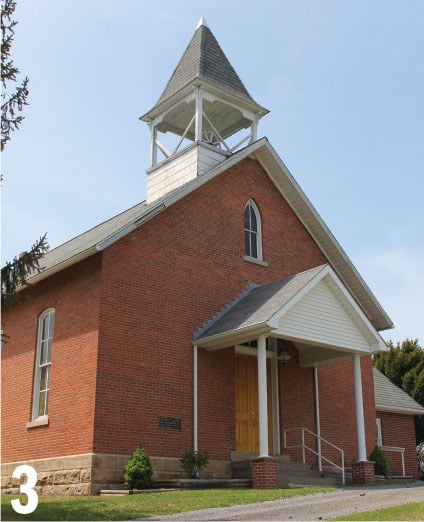
3. Forks of Cheat Church, Monongalia County
Significant for its early establishment, Forks of Cheat Church is the oldest recorded church west of the Alleghenies. Founded in 1775, its congregation predates the United States and has worshiped in different buildings over the years while upholding its traditions.
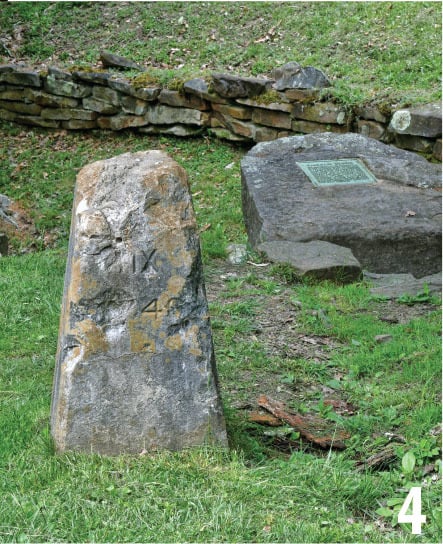
4. Fairfax Stone, Tucker County
Originally set in 1746 as a land marker, the Fairfax Stone once settled a major border dispute among the English colonies. The current stone, set in 1957 as the fifth one to mark the spot, is a historic monument that holds a major place in colonial American history.

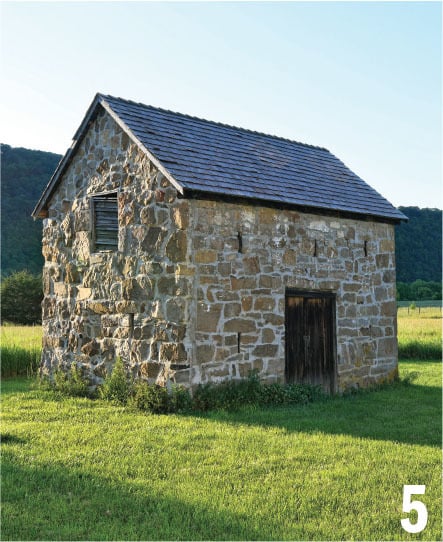
5. Fort Van Meter, Hampshire County
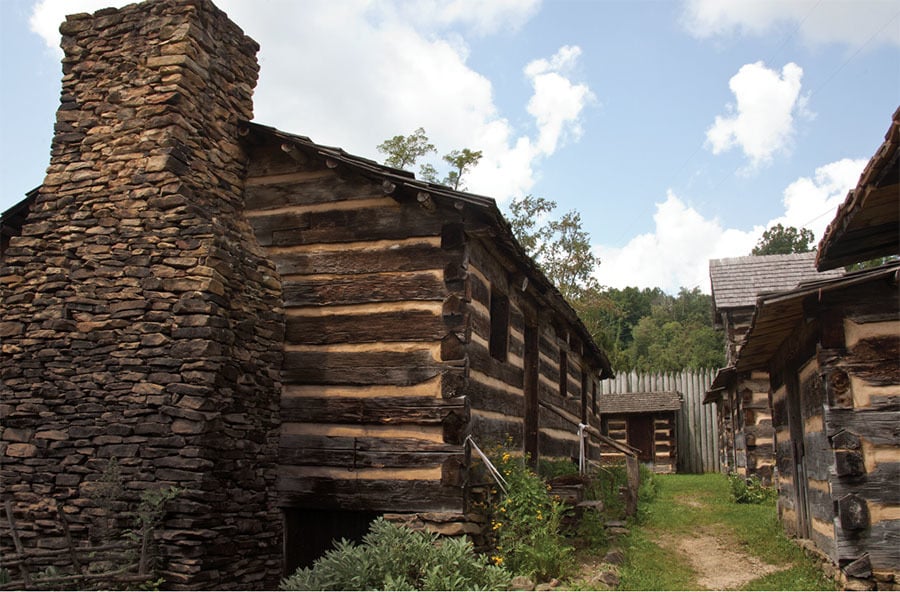
Built around 1754, Fort Van Meter played a key role in protecting settlers in the Allegheny Mountains. One of several forts constructed by the Van Meter family, it was part of a long chain of forts built along the frontier at the time of the 1754–1763 French and Indian War.
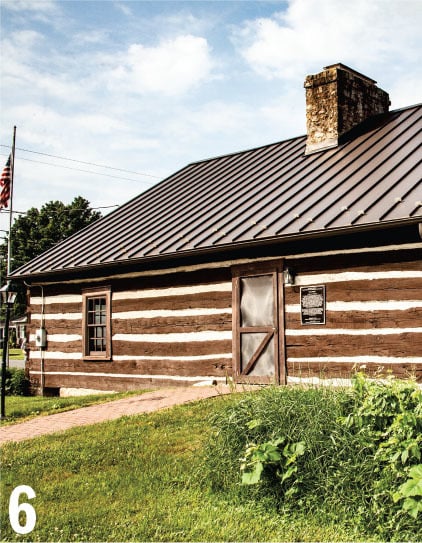
6. Fort Ashby, Mineral County
Fort Ashby, constructed in 1755 as a stockade, withstood several raids and for a time supplied Fort Cumberland before being abandoned in 1756. Today, the fort remains standing alongside a museum that honors the history of those who once lived and served there.
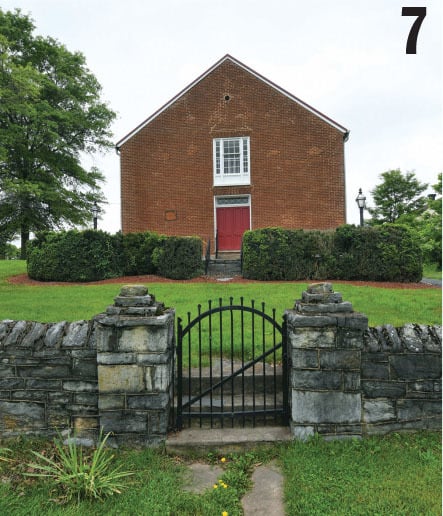
7. Morgan Chapel and Graveyard, Berkeley County
Established in a log structure in 1741, Morgan Chapel is the oldest Episcopal church in West Virginia. Today’s building, built in 1851, served as a hospital during the Civil War and is still marked with graffiti and artillery damage from the war. Many soldiers and local figures are buried in the adjacent graveyard.
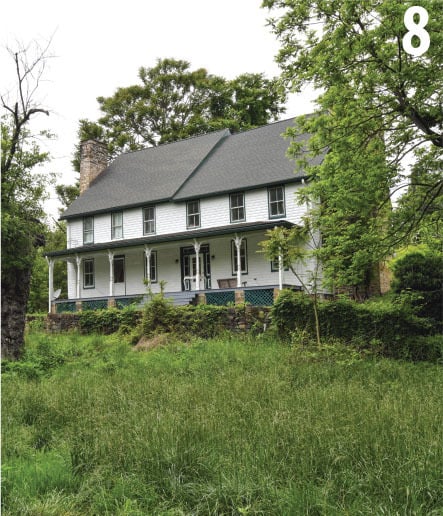
8. Snodgrass Tavern, Berkeley County
Once a hot spot for stagecoaches and famous figures like George Washington, Snodgrass Tavern is among the oldest structures in West Virginia. Built around 1743, it served travelers between Alexandria and Berkeley Springs for over a century before its conversion to a private home in 1847.
9. Lewisburg Historic District, Greenbrier County
Built around the site of 1770s Fort Savannah, where Colonel Andrew Lewis gathered men to fight in Lord Dunmore’s War, Lewisburg has a history stretching back to frontier days. Its historic district encompasses more than 100 structures, and several of the private residences retain pre-Revolutionary elements.
READ MORE ARTICLES FROM WV LIVING’S SUMMER 2026 ISSUE








Leave a Reply