









The Wild Ramp is ramping up discussions around food equity and access through its work in Huntington.

written by DAWN NOLAN
photographed by NIKKI BOWMAN MILLS
AN ANCHOR OF HUNTINGTON’S CENTRAL CITY DISTRICT since 2014, The Wild Ramp is proof of what can happen when an idea is put into action.
This nonprofit farmers market was established in 2012 by community members who were motivated to combat the city’s unhealthy reputation. That reputation became national notoriety when, in 2008, the Centers for Disease Control and Prevention named Huntington the “unhealthiest city in America” and then, in 2009, British celebrity chef Jamie Oliver highlighted the limitations to residents’ access to fresh, nutritious food. “In response, local community members, students, and organizations came together to launch The Wild Ramp— committed to building a stronger, healthier community through local food,” says Market Manager Shelly Keeney.
The Wild Ramp’s mission is to provide a marketplace that is reliable for the state’s farmers, food producers, and artisans and provides access to fresh, healthy, and locally made products, all to support and grow the local food economy, Keeney says. “We believe locally produced food promotes healthier lifestyles; supporting local economies is beneficial and environmentally friendly; meeting local food demand is essential; and access to local food should be equitable for all.”
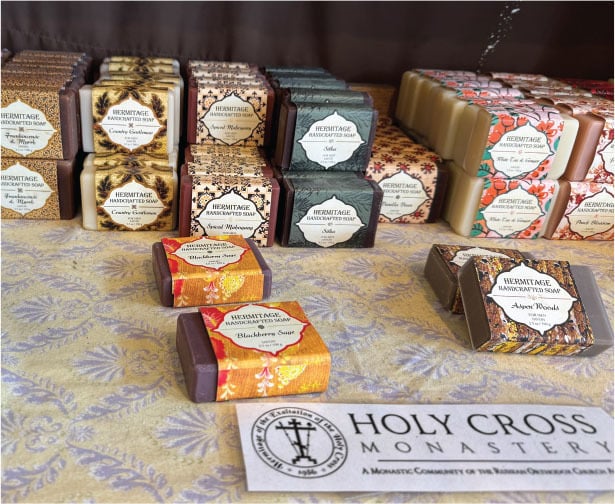
Open seven days a week year ’round, The Wild Ramp stocks goods from more than 130 producers across West Virginia, Ohio, and Kentucky. Customer favorites include local meats, farm-fresh eggs, small-scale dairy, seasonal produce, honey, coffee, baked goods, and handcrafted jellies and jams. “Specialty items like artisanal cheeses and West Virginia maple syrup are also top sellers,” Keeney says. “Every purchase directly supports area farmers and keeps food dollars circulating locally.”
With an additional outdoor market each summer, The Wild Ramp serves as a center for events, agritourism, food education, and community collaboration. It also has its own commercial kitchen, The Harvest Kitchen, added in 2019. “The Harvest Kitchen transforms local ingredients into ready-to-eat meals, baked goods, and value-added products,” Keeney explains. “It also serves as a food rescue operation, using excess or unsold produce to create nutritious foods and reduce waste.”

In another growth effort, The Wild Ramp partnered with Coalfield Development, a community-centric economic development organization, this past spzring. “The partnership has strengthened operations, improved organizational capacity, and opened opportunities for workforce development and regional food system collaboration,” Keeney says. “It also helps ensure long-term stability and mission alignment.”
Looking into the future, Keeney says The Wild Ramp aims to expand its network of local producers, strengthen food access programs, and grow its role as a leader in building a resilient regional food economy. “Plans include enhancing educational and workforce opportunities and helping more people learn about sustainable agriculture, food entrepreneurship, and how local food systems create healthier communities.”
As The Wild Ramp grows, local involvement remains the foundation of its success. Those interested in supporting The Wild Ramp can do so by donating time or money, becoming vendors themselves, or simply shopping there. Keeney also suggests shopping at other businesses in the Central City area to help turn 14th Street West into a thriving community hub for all to enjoy.
555 14th Street West, Huntington, wildramp.org, @thewildramp on FB
READ MORE ARTICLES FROM WV LIVING’S WINTER 2025 ISSUE






Leave a Reply